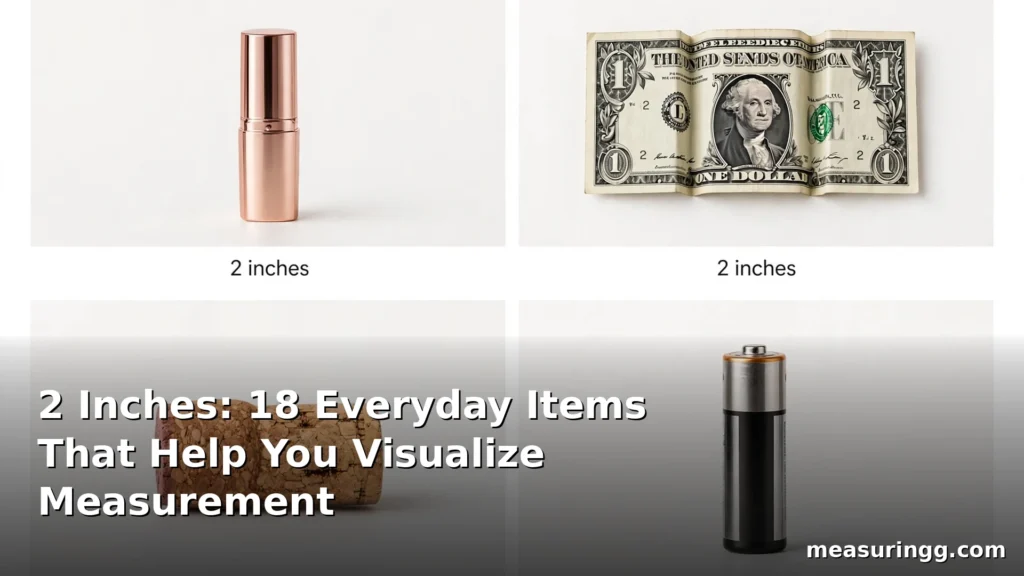
How Long Is 2 Inches, Exactly?
On a standard 12-inch ruler, 2 inches is the second big mark from the left — one-sixth of the whole ruler. It is a compact length: a touch shorter than a credit card's height (2.125 inches) and about twice the diameter of a US quarter (0.955 inches). In metric terms, that's 5.08 cm — and 5 centimeters is close enough for everyday estimates. Small, yes. Insignificant? Not even close.
| Unit | Equivalent of 2 Inches |
|---|---|
| Centimeters | 5.08 cm |
| Millimeters | 50.8 mm |
| Feet | 0.167 ft (1/6 of a foot) |
| Meters | 0.0508 m |
18 Things That Measure Around 2 Inches Long
These references are practical, checkable, and probably sitting within arm's reach right now.
1. A Mini Lipstick Tube
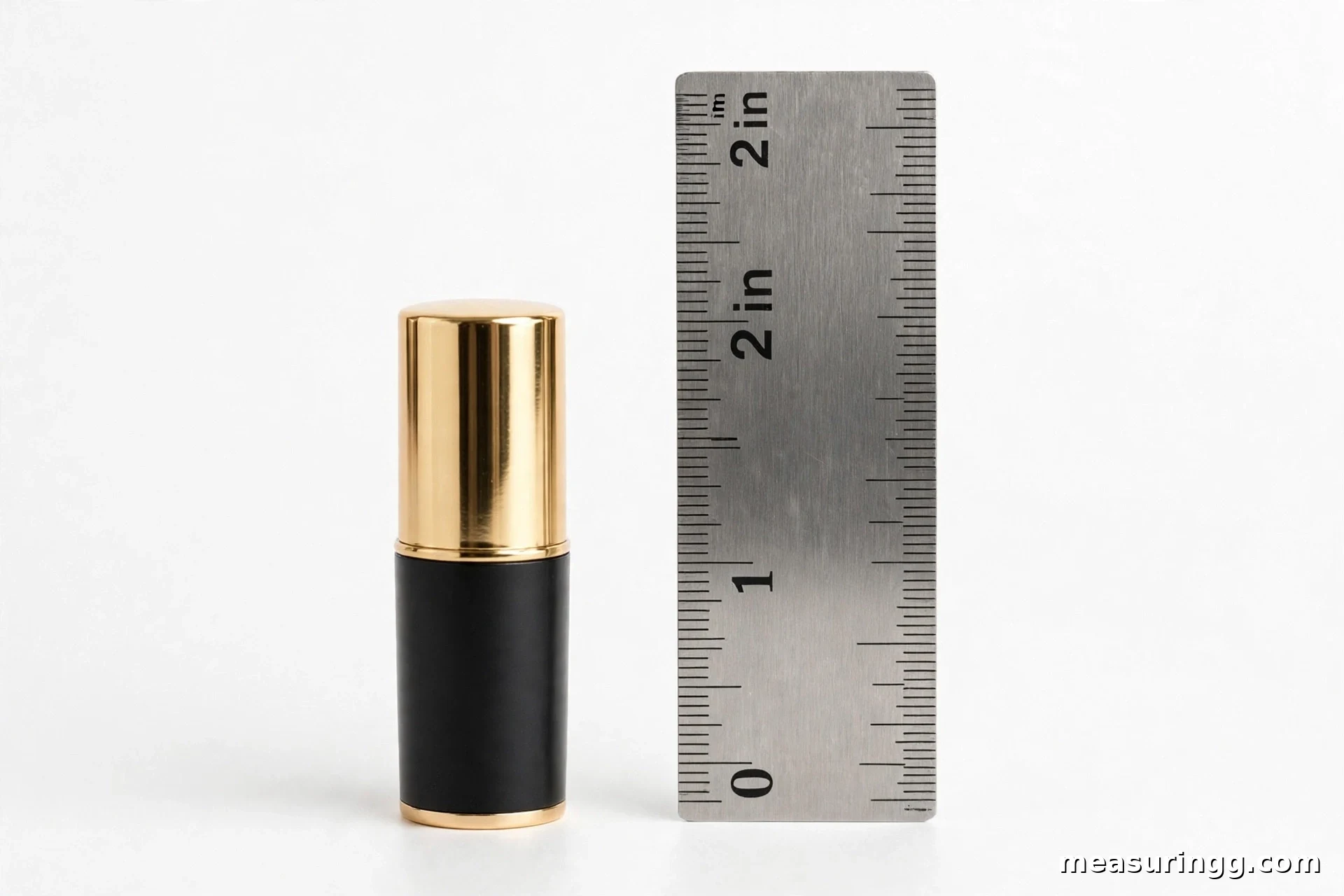
Pull a travel-size lipstick from your bag and stand it upright. Most mini and travel lipstick tubes — capped, not twisted up — measure right around 2 inches tall. Full-size tubes run longer, so reach for the mini. It is a pocket reference millions of people carry without realizing it.
2. A Dollar Bill Folded in Thirds
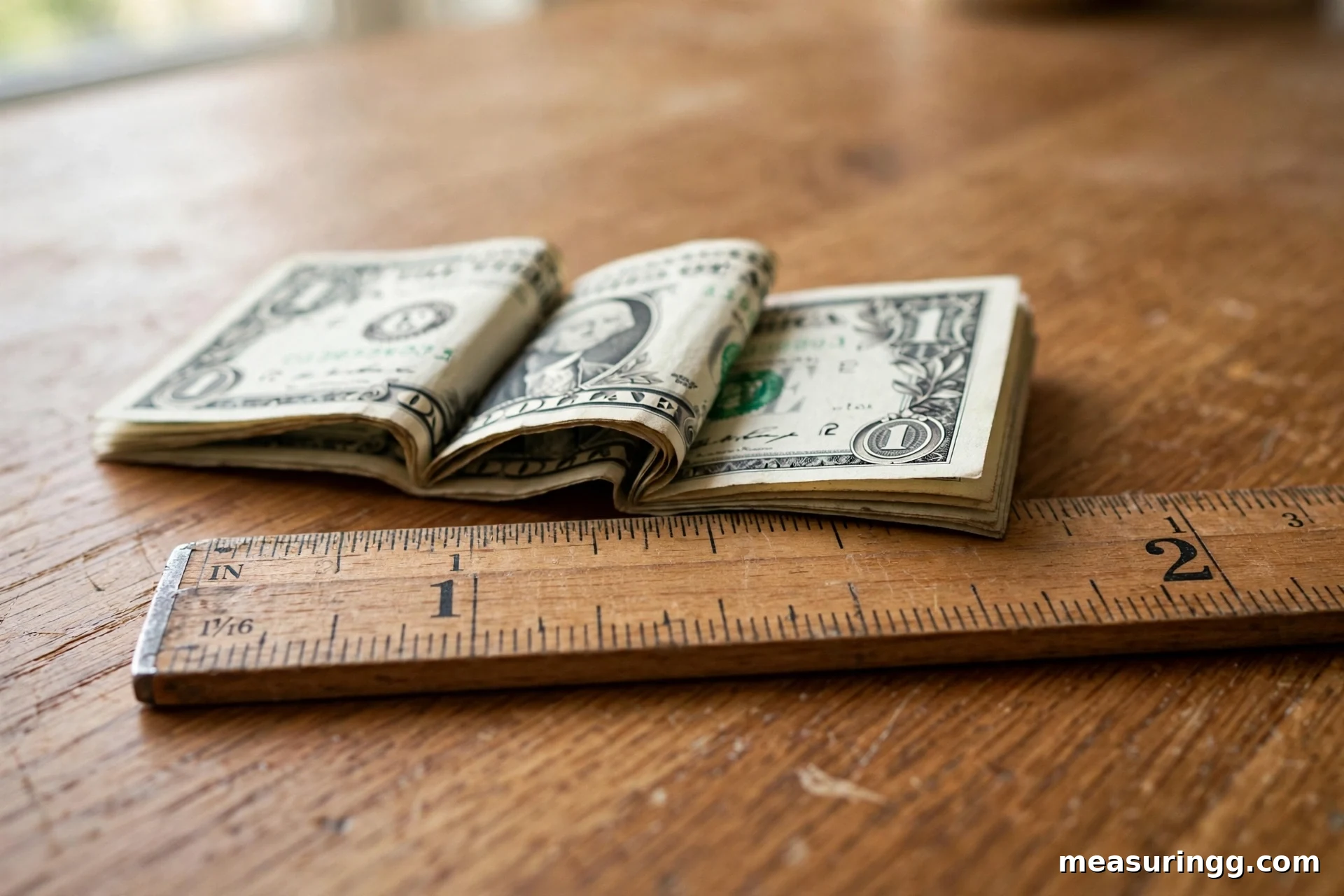
Here is a clever one. A US dollar bill is 6.14 inches long. Fold it lengthwise into three equal sections and each section lands at just over 2 inches (6.14 ÷ 3 = 2.05). You are rarely far from a dollar bill — which means you are rarely far from a 2-inch reference. Try it right now.
3. Two Bottle Caps Side by Side
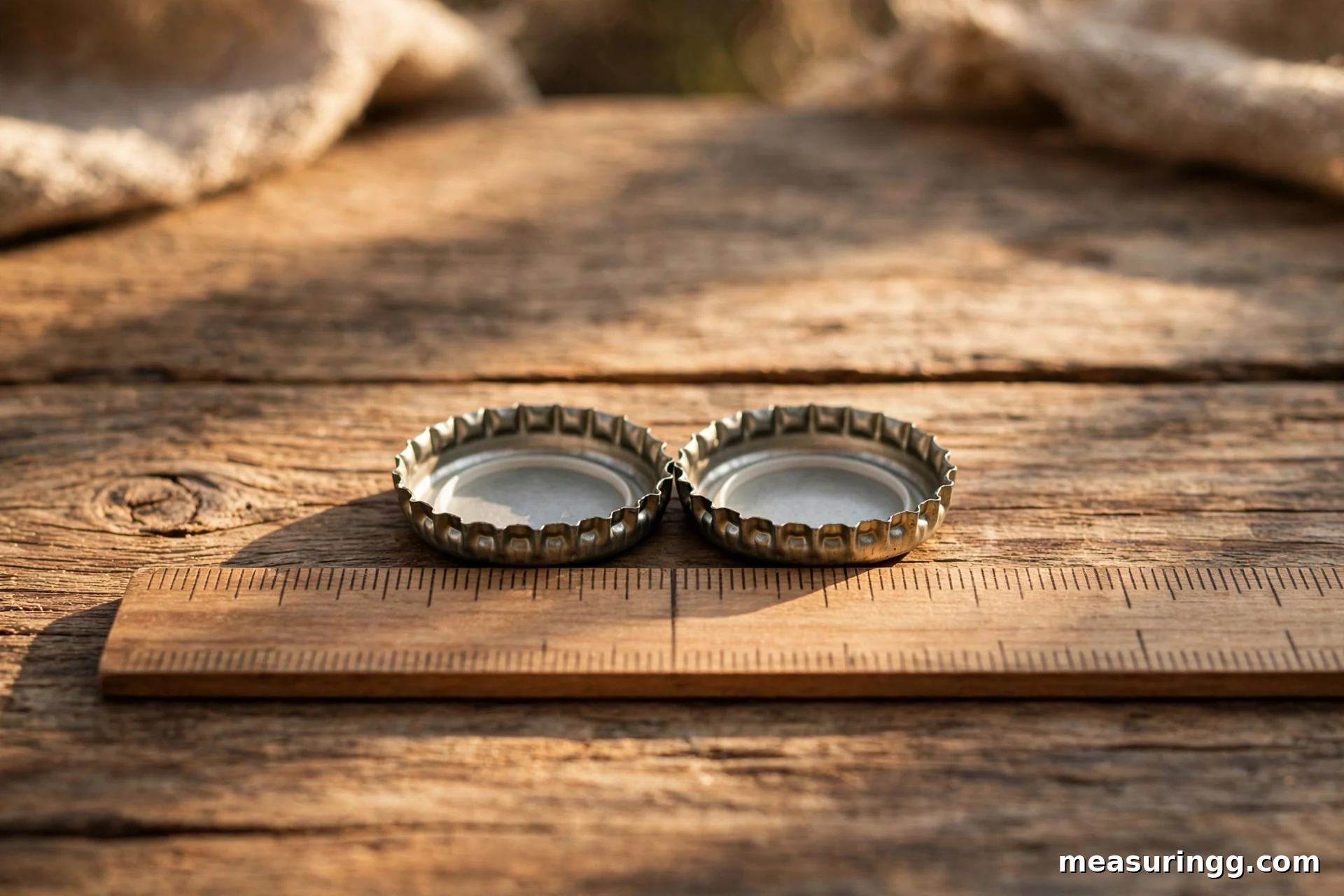
A standard bottle cap — the crimped kind from a soda or beer bottle — has a diameter of roughly 1 inch. Line two of them up edge to edge and you have got your 2 inches exactly. Bottle caps are everywhere: kitchen counters, recycling bins, restaurant tables. One of the most accessible references on this list.
4. A Wine Cork
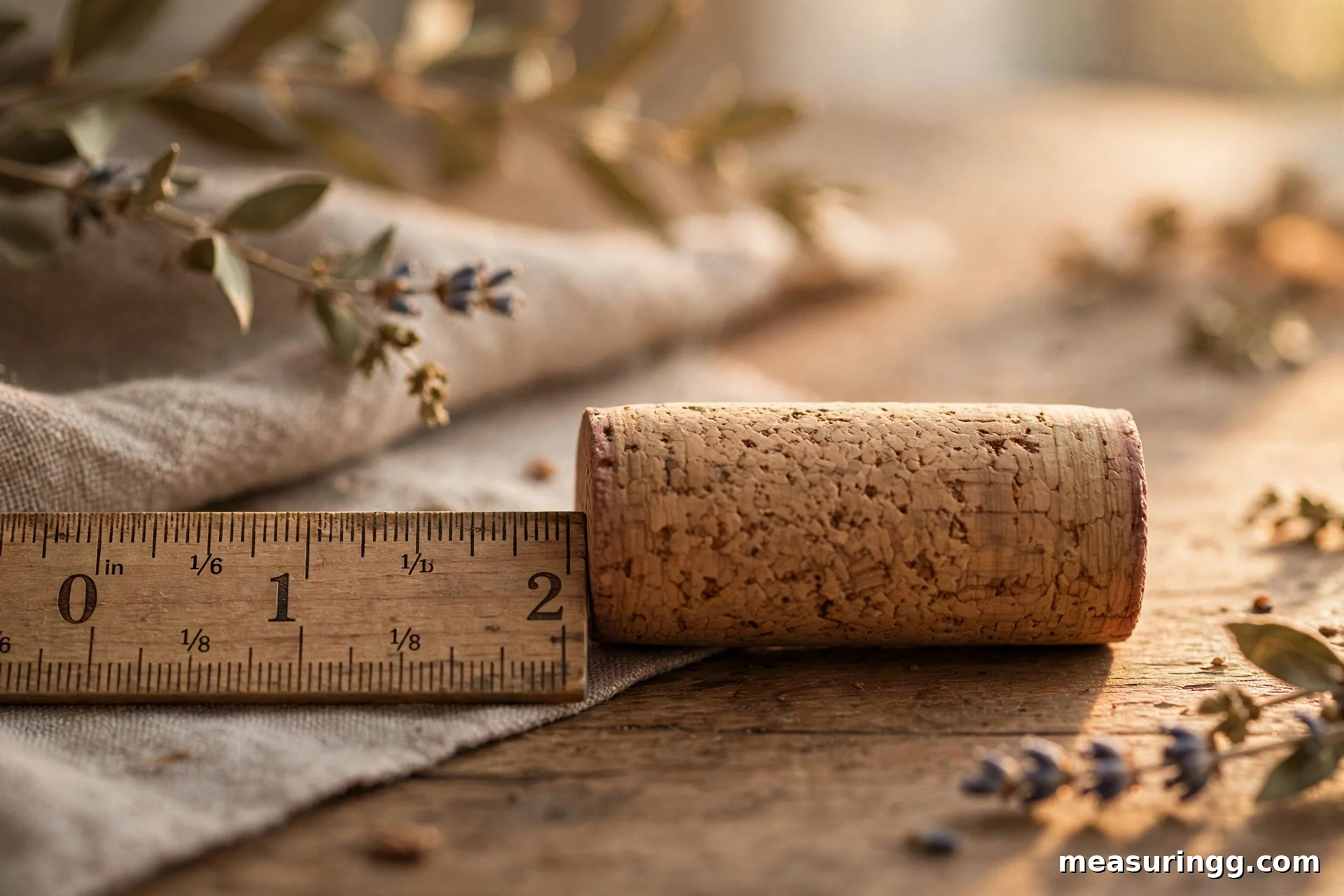
Standard natural wine corks measure between 1.75 and 2 inches long, with most landing right around the 2-inch mark. It is tactile, satisfying to hold, and surprisingly consistent. If there is a wine rack in your house, you own a drawer full of 2-inch measuring sticks.
5. A Jumbo Paperclip
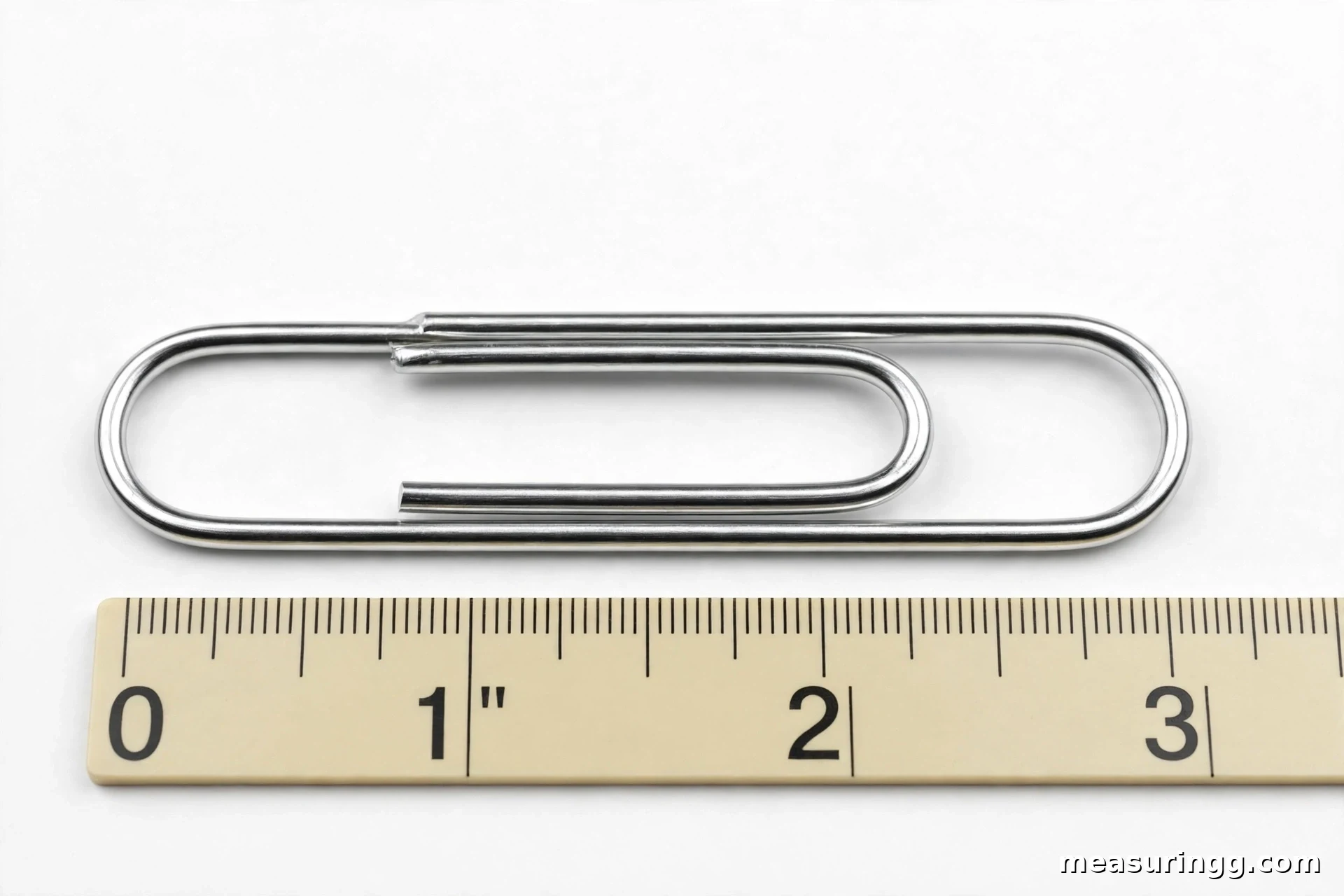
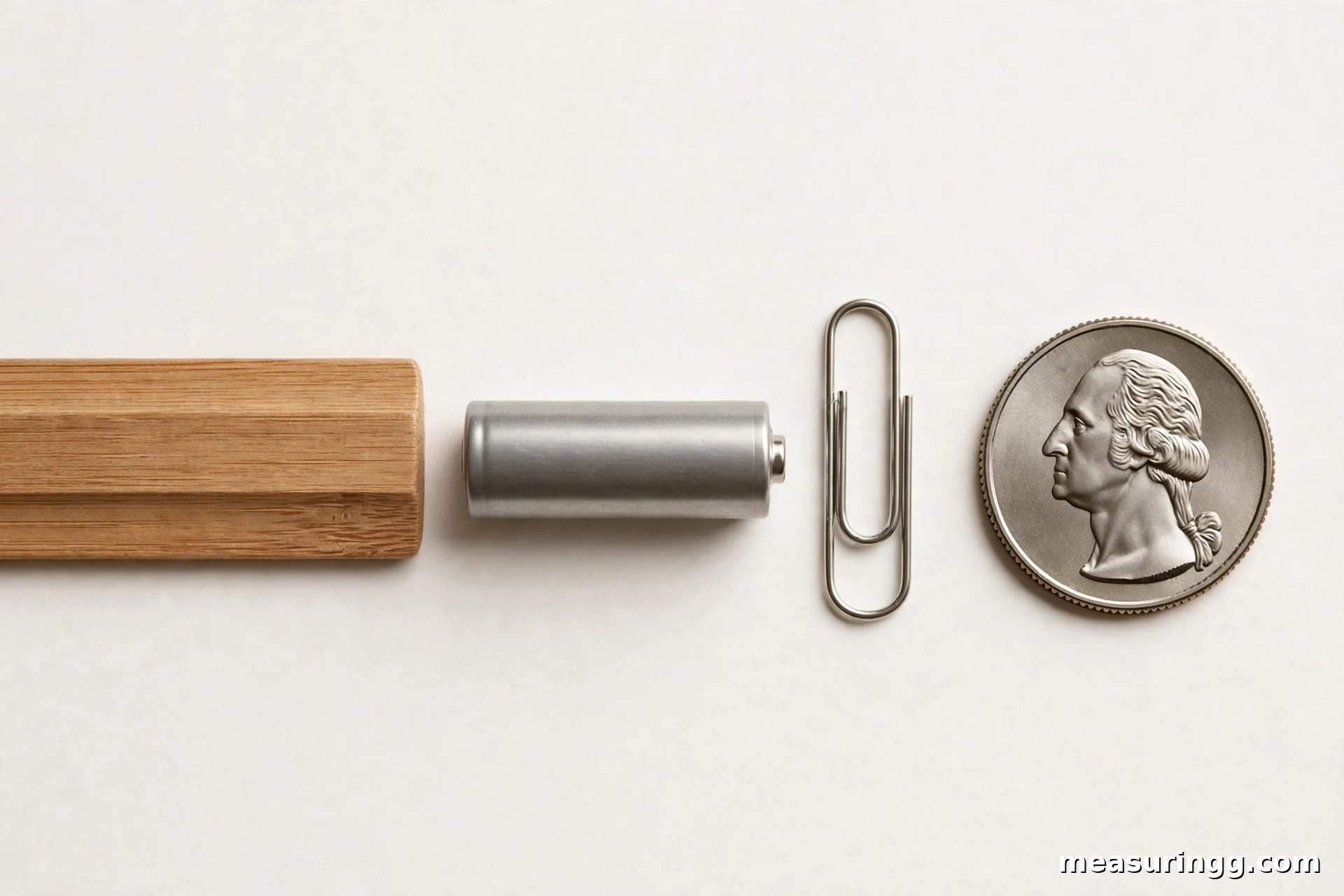
The jumbo paperclip — the big brother of the standard office clip — measures about 2 inches long. (Note: the small standard clip is only ~1.25 inches, so grab the jumbo one.) It lives in desk drawers, junk drawers, and office supply kits everywhere. Simple, reliable, brilliant.
6. A USB Flash Drive
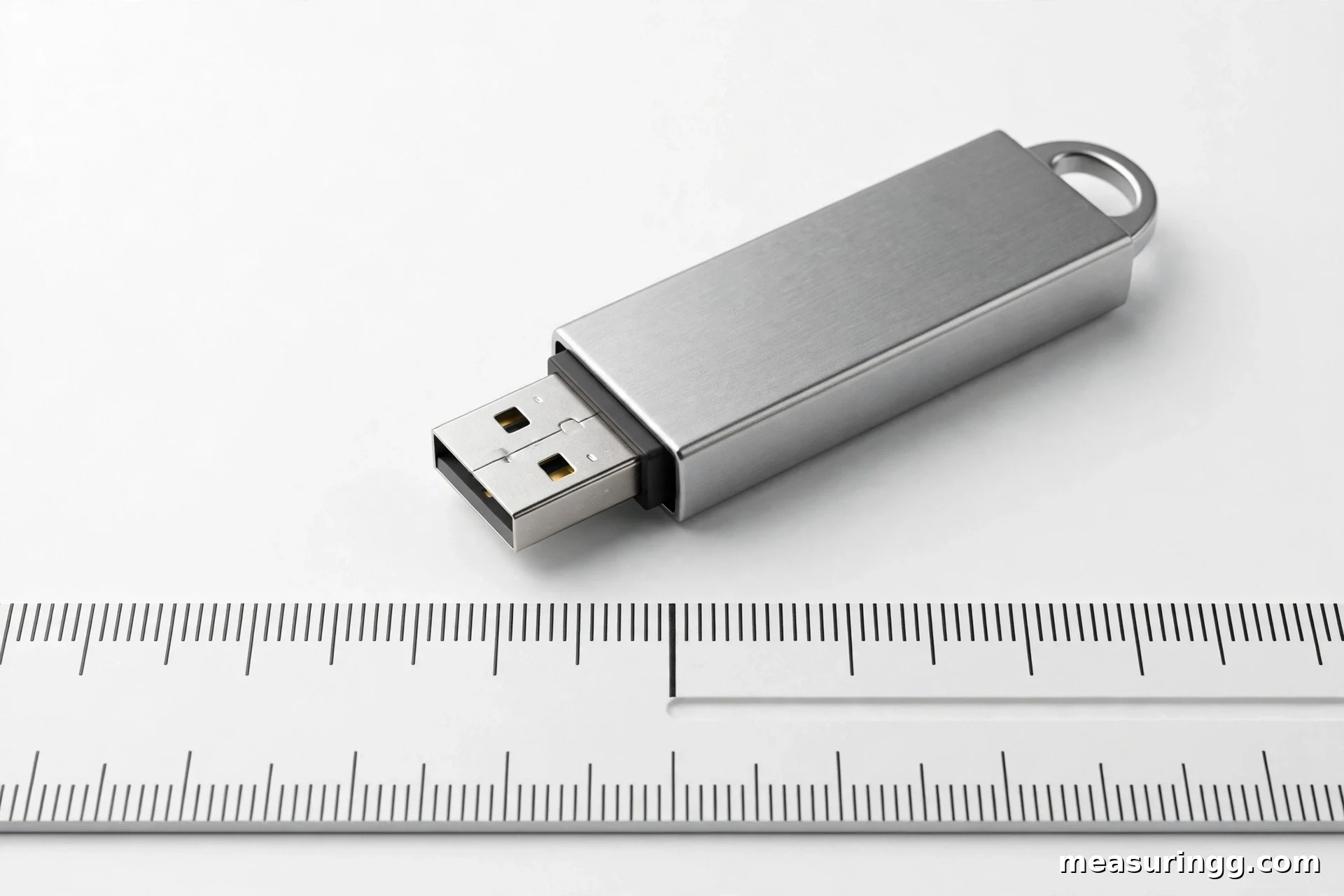
Most classic USB flash drives — the stick style you clip to a keyring or laptop bag — measure right around 2 inches long, not counting the cap. The form factor barely changed for two decades even as storage exploded from megabytes to terabytes. Next time you plug one in, you are holding a 2-inch ruler.
7. An AA Battery (Lengthwise)
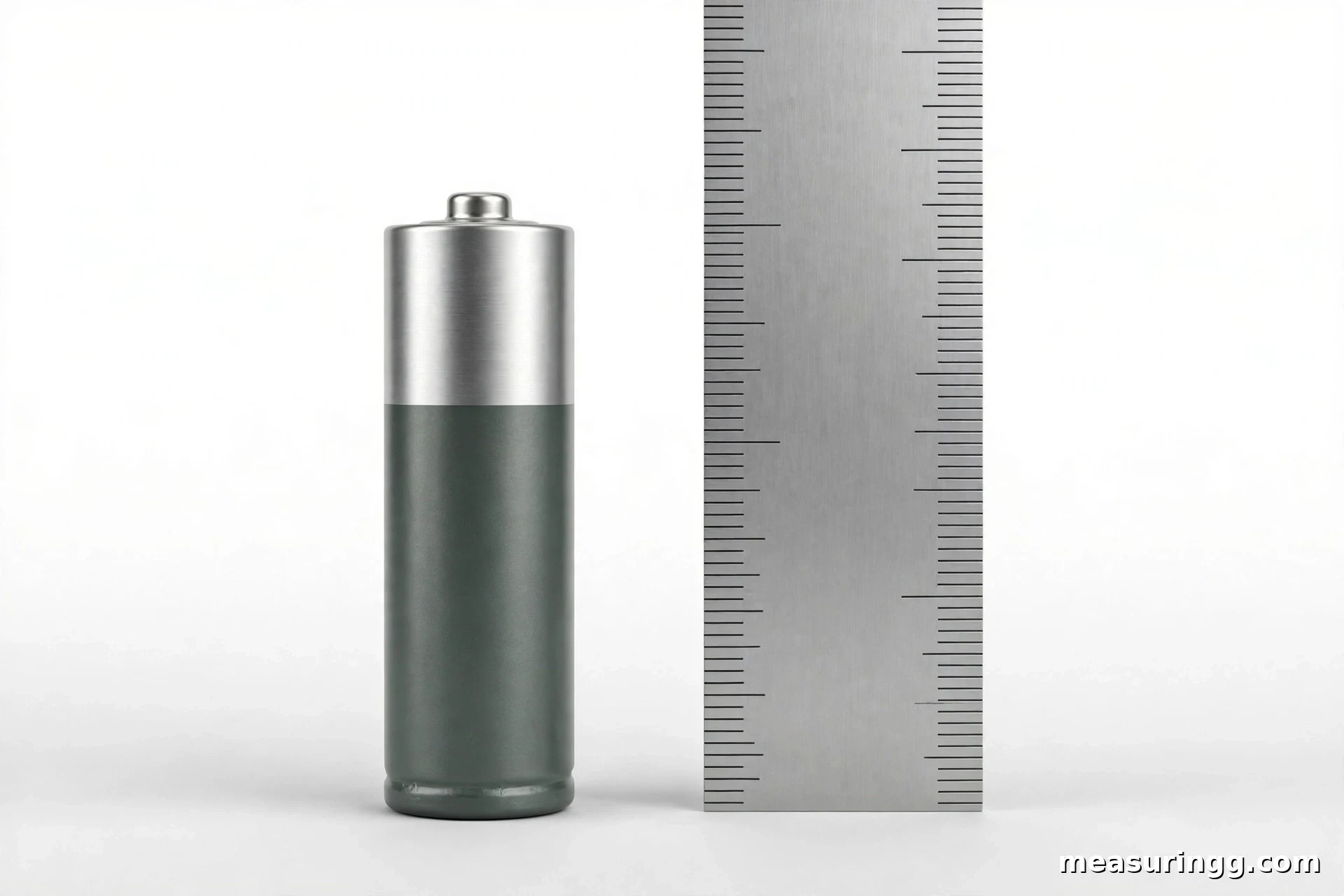
Here is the most precise reference on this list: a standard AA battery is 50.5 millimeters long, which converts to 1.99 inches — essentially exactly 2 inches. Its diameter (14.5 mm / 0.57 in) is a different story, so always measure lengthwise. If accuracy matters and you have no ruler, an AA battery is your best friend.
8. A Standard Golf Tee
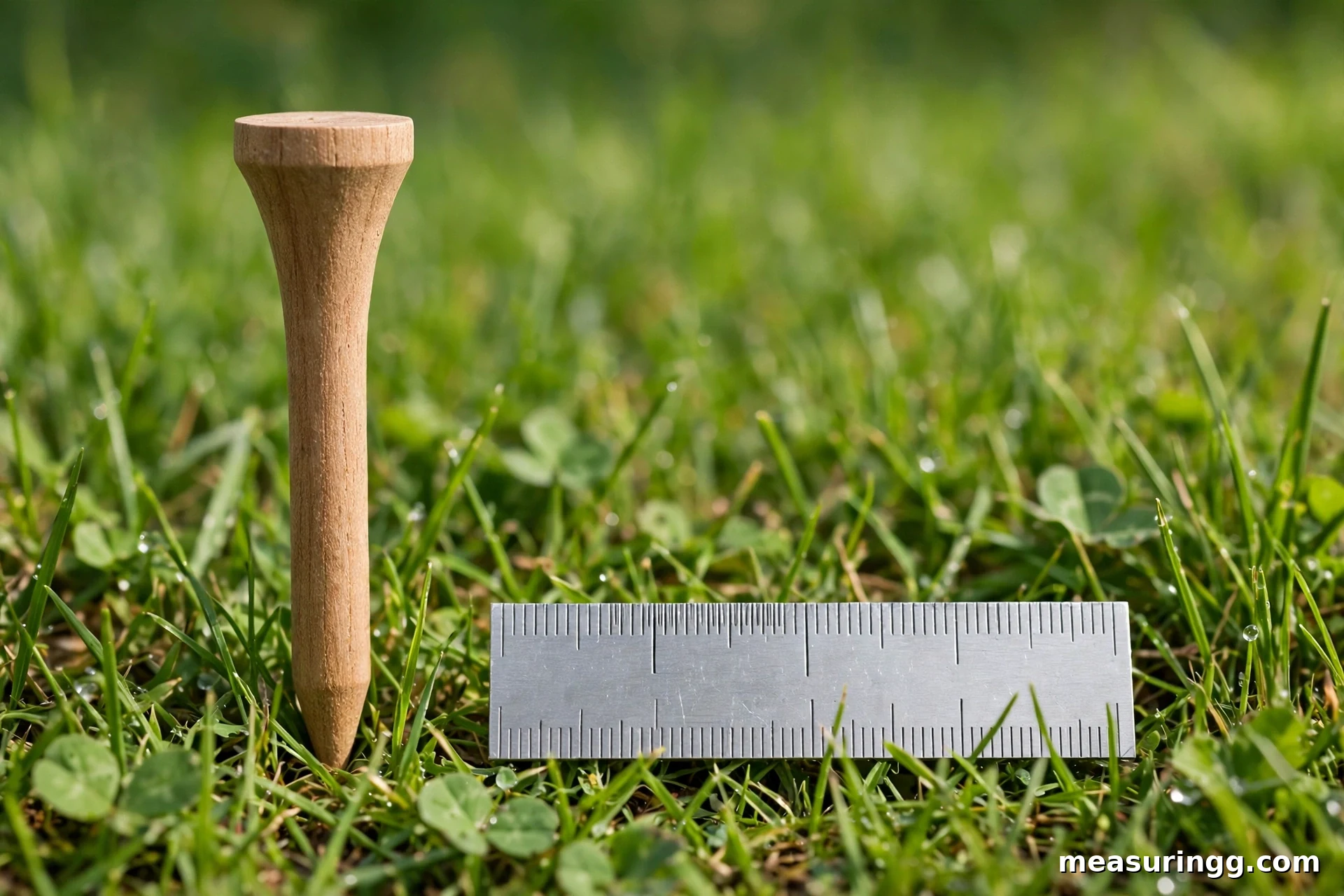
A standard wooden golf tee measures 2.125 inches — just a hair over 2 inches. It is niche, sure, but golfers carry dozens of them, and the size is regulated enough to trust. If you play, you have a pocket full of near-perfect 2-inch gauges.
9. A Pink School Eraser
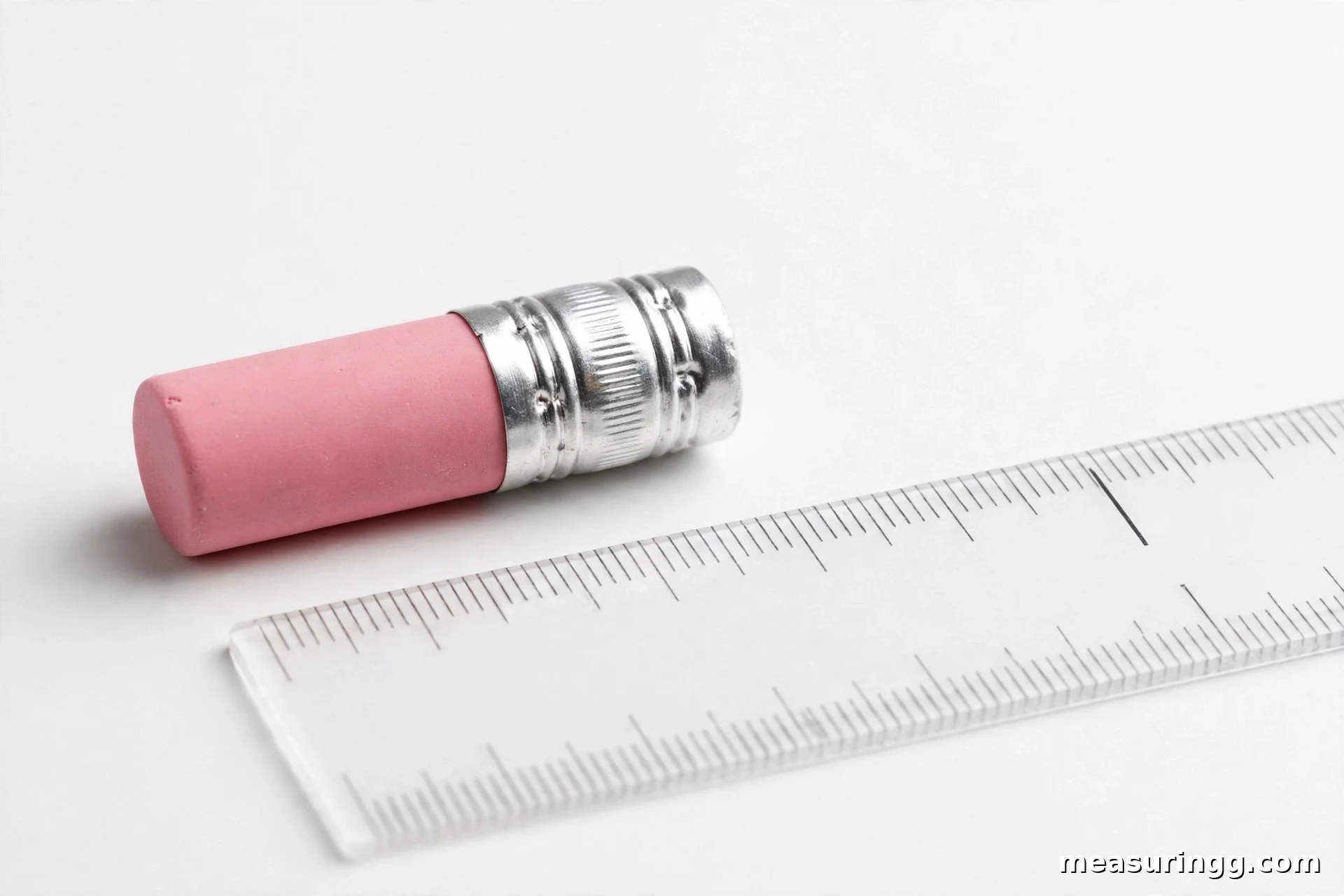
The classic pink block eraser — the kind from every elementary school pencil box — measures about 2 inches long. They have barely changed in decades, which makes them one of the most dependable references here. Classrooms, art studios, and drafting desks all stock them.
10. Two US Quarters Side by Side
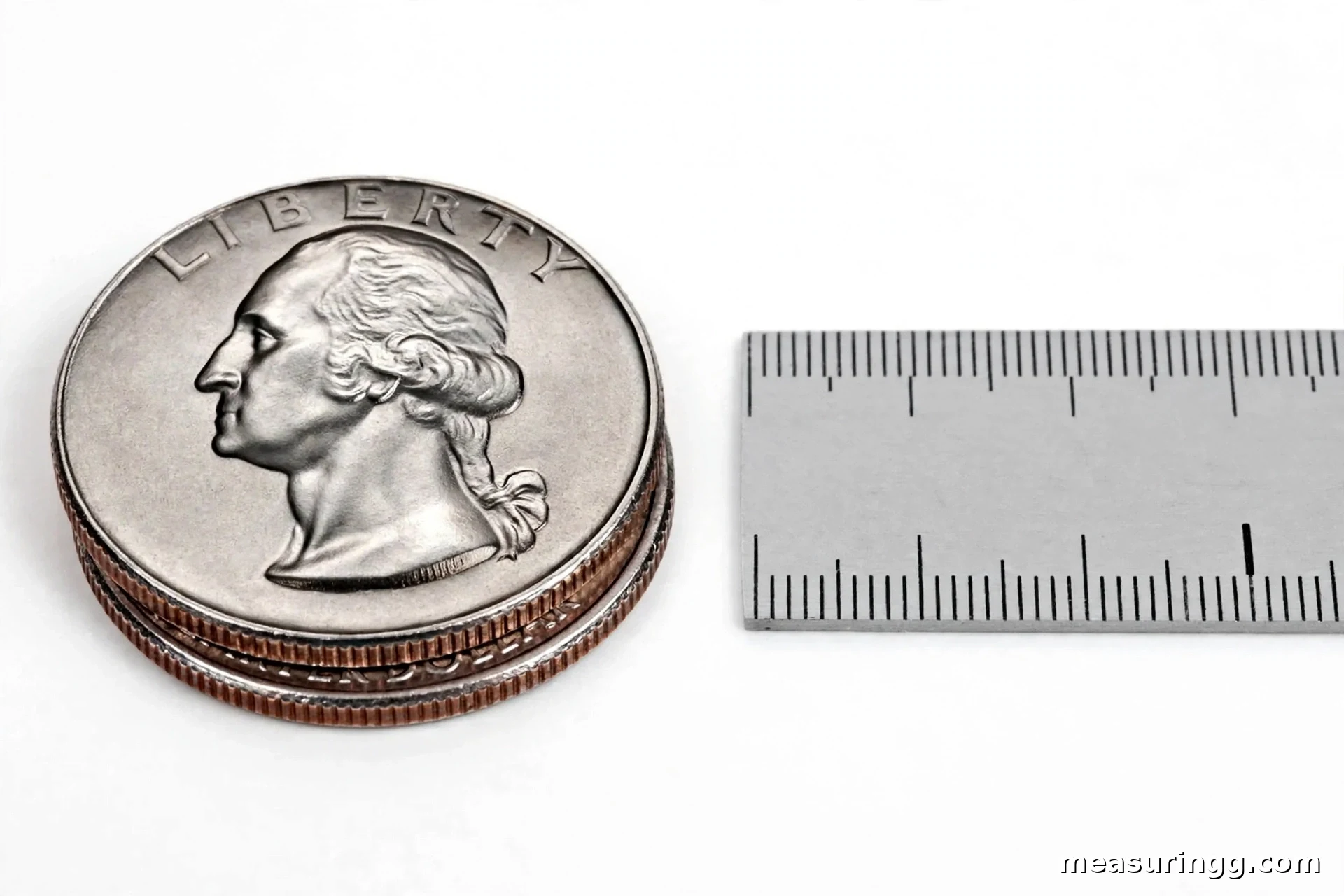
Each US quarter has a diameter of 0.955 inches. Place two edge to edge and you get 1.91 inches — nearly spot-on for 2 inches. Coins are small, always in your pocket, and minted to exact specs. This is one of the most practical references on the entire list for measuring in a pinch.
11. A Domino Tile
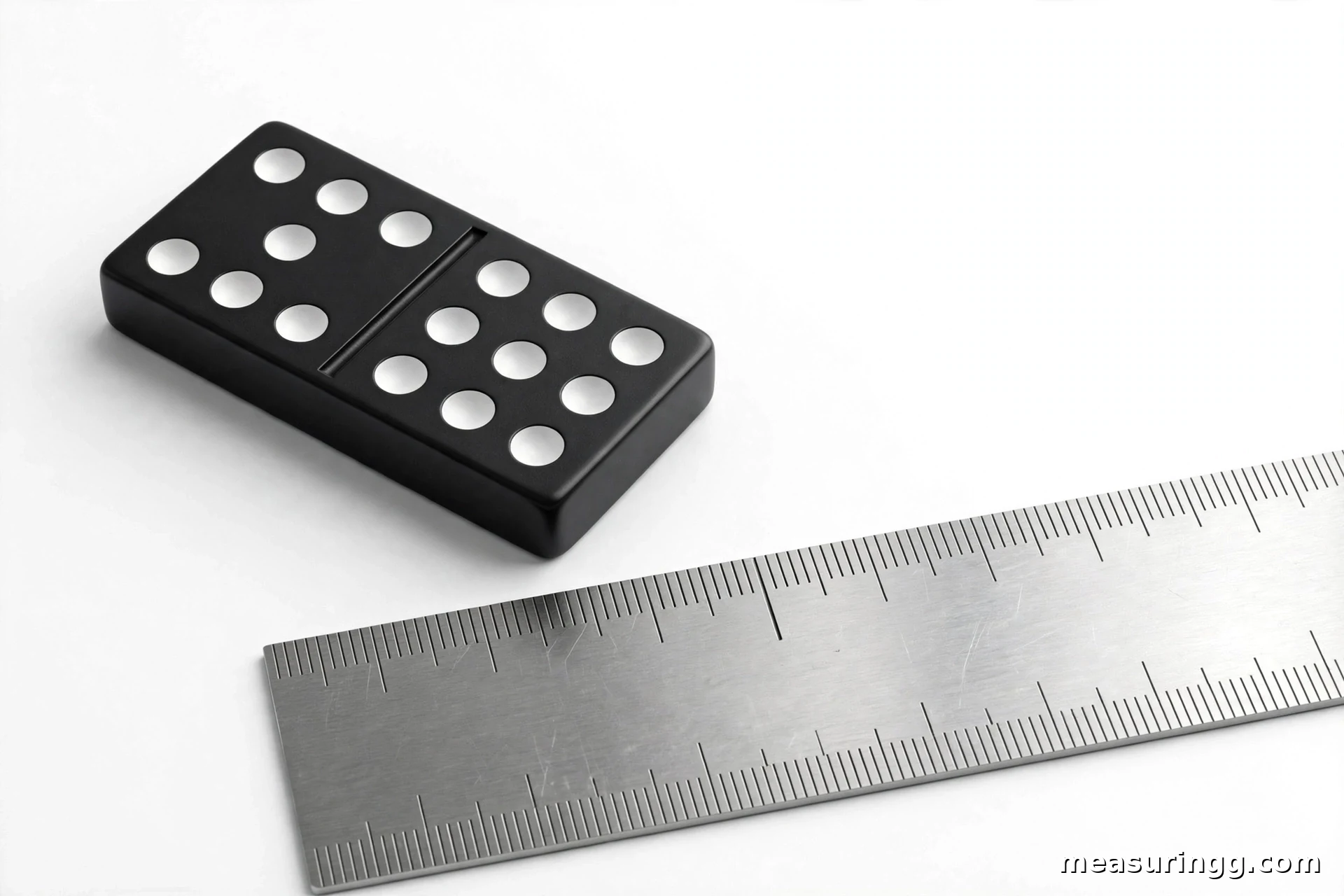
A standard double-six domino tile measures about 2 inches long by 1 inch wide. Game pieces are manufactured to consistent sizes worldwide, so this one is trustworthy. Flat, stackable, and reassuringly precise — a great portable measuring tool.
12. A Small Matchbox
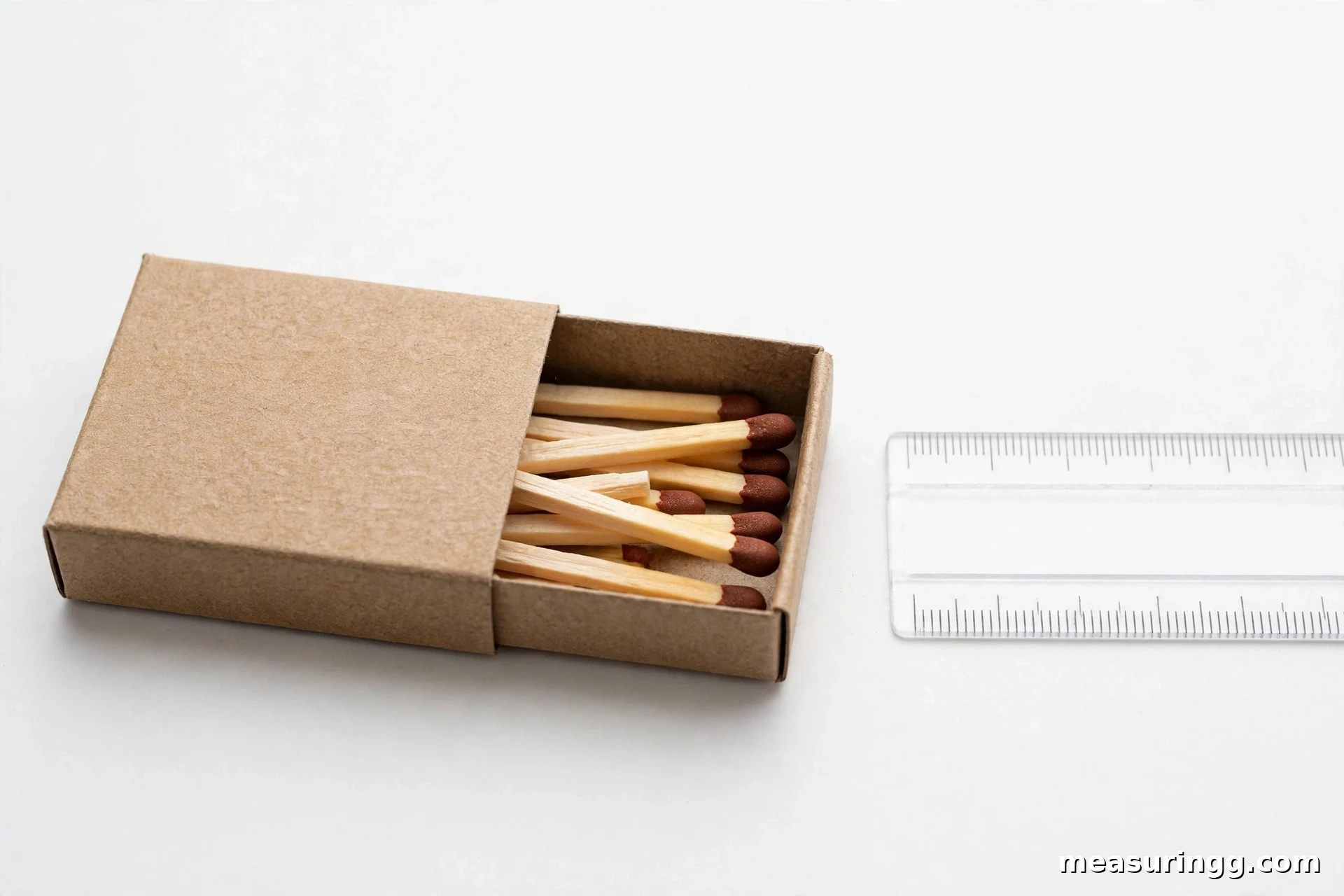
The classic small matchbox — the cardboard kind with safety matches — runs about 2 inches long. That size has been standard for well over a century. Camping kit, kitchen drawer, restaurant candle setup: matchboxes turn up everywhere.
13. A Golf Ball (Close Reference)
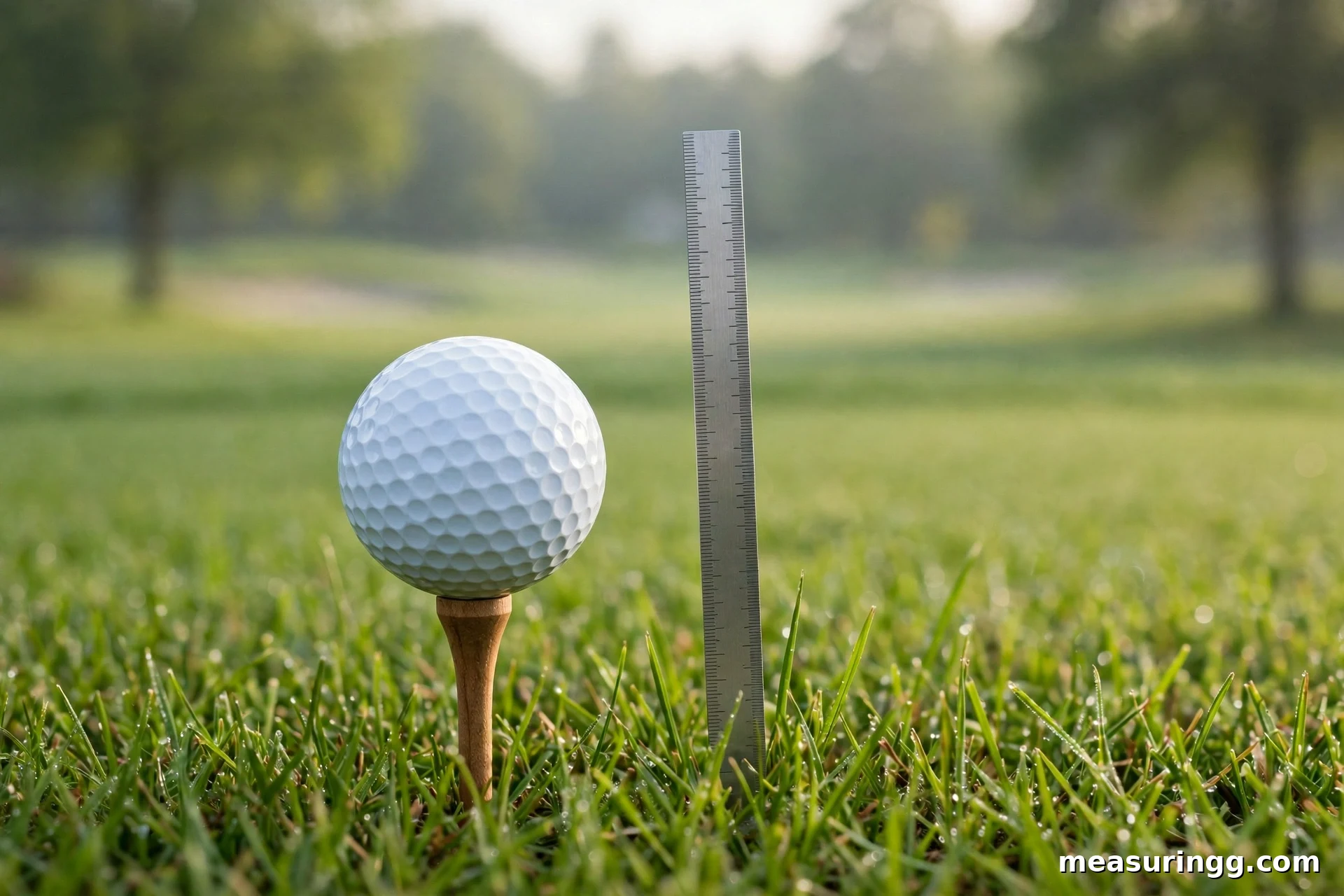
A regulation golf ball has a diameter of 1.68 inches — a bit shy of 2 inches, but close enough for a quick spherical estimate. It will not win a precision contest, but when you need a ballpark figure and one is sitting on your desk, it does the job.
14. An Oversized Coat Button
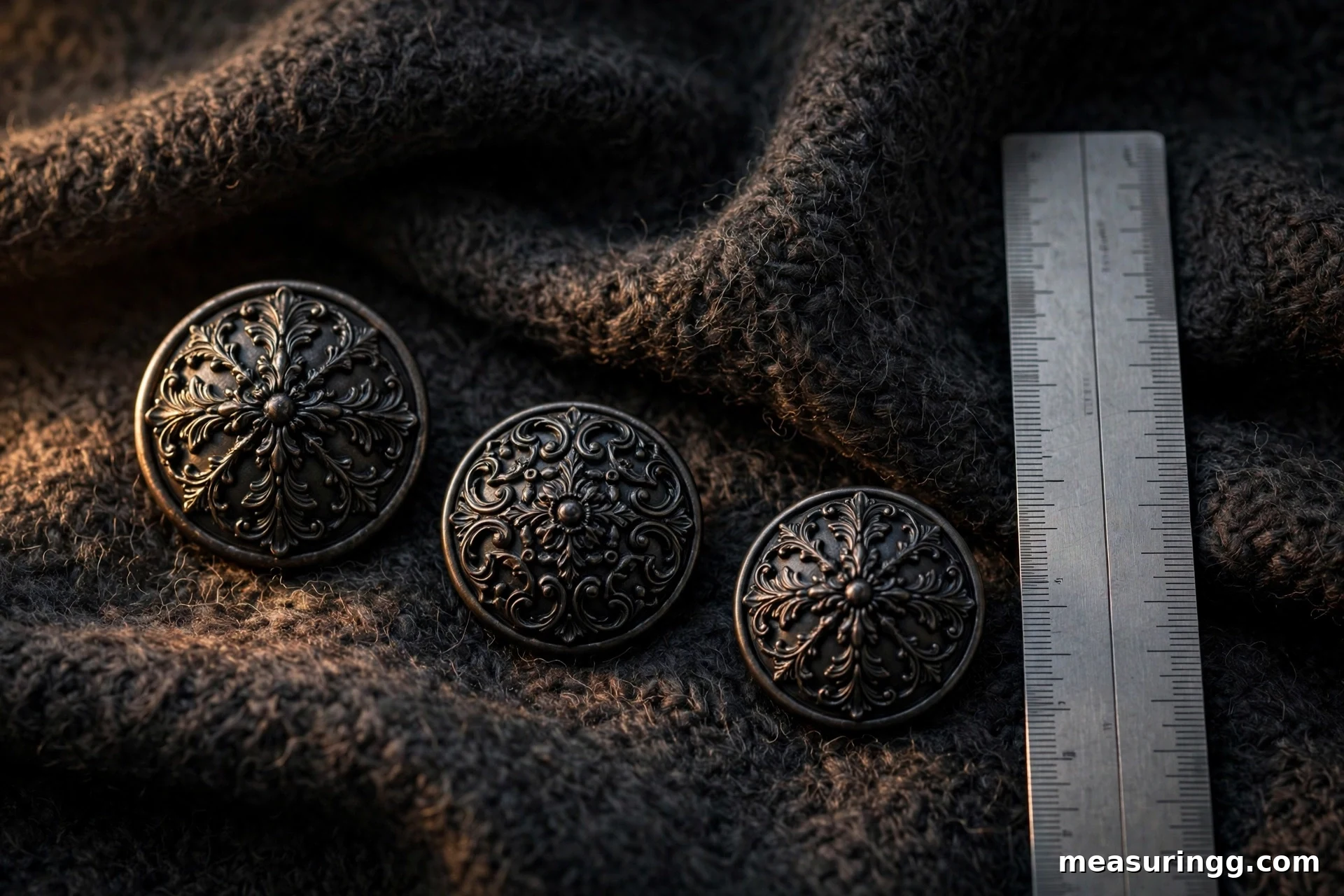
Check a heavy winter coat or peacoat. Those big decorative front buttons regularly run 1.75 to 2 inches in diameter. They are not just functional — they are secretly one of the better everyday gauges for this small measurement, and they are always attached to something you are wearing.
15. A Cough Drop
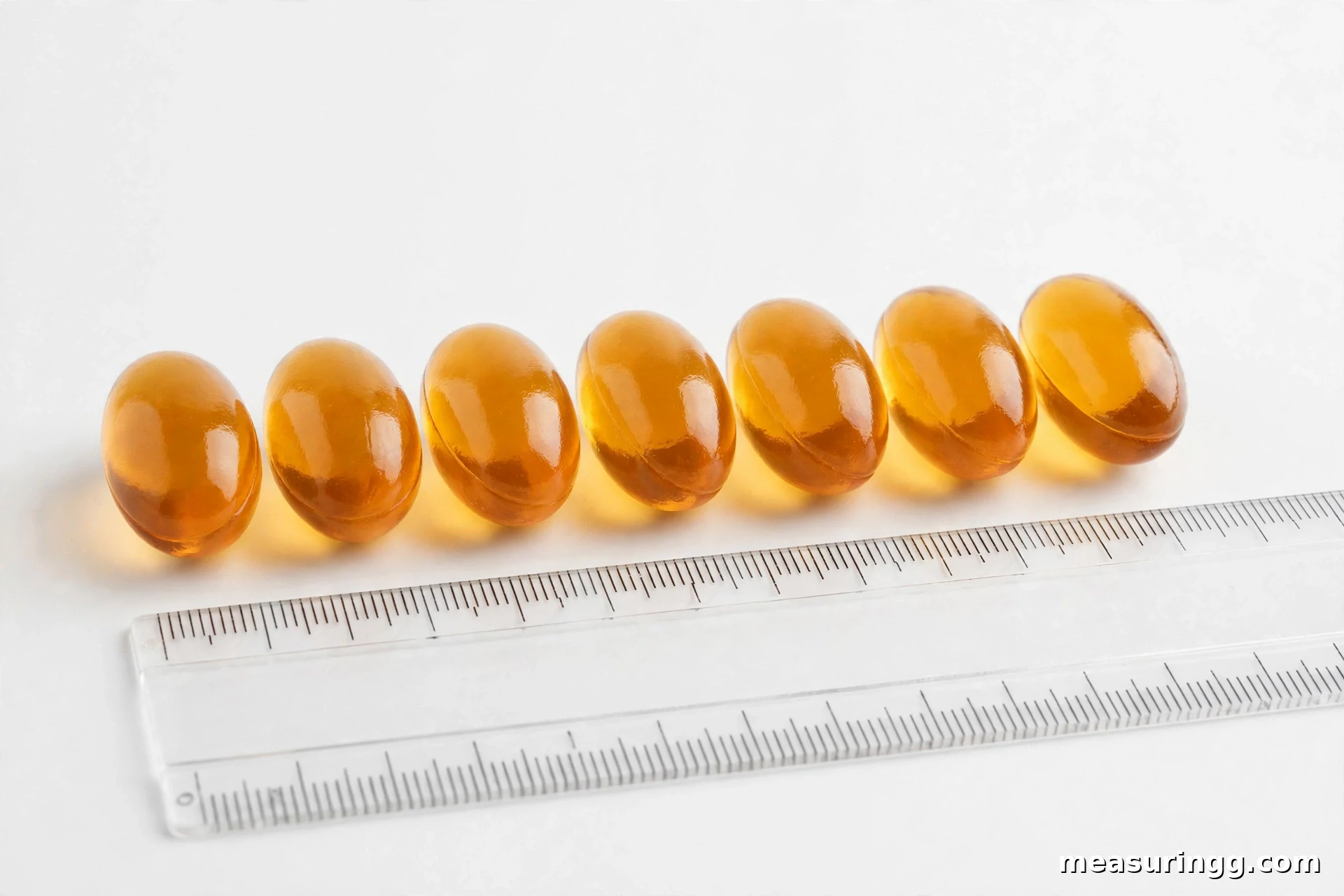
The classic oval lozenge — the Halls-style cough drop — measures roughly 1.9 to 2 inches along its longest axis. It is one of those objects you never think to measure until someone points it out. Check the medicine cabinet; odds are strong there is one in there.
16. Fingertip to Second Knuckle
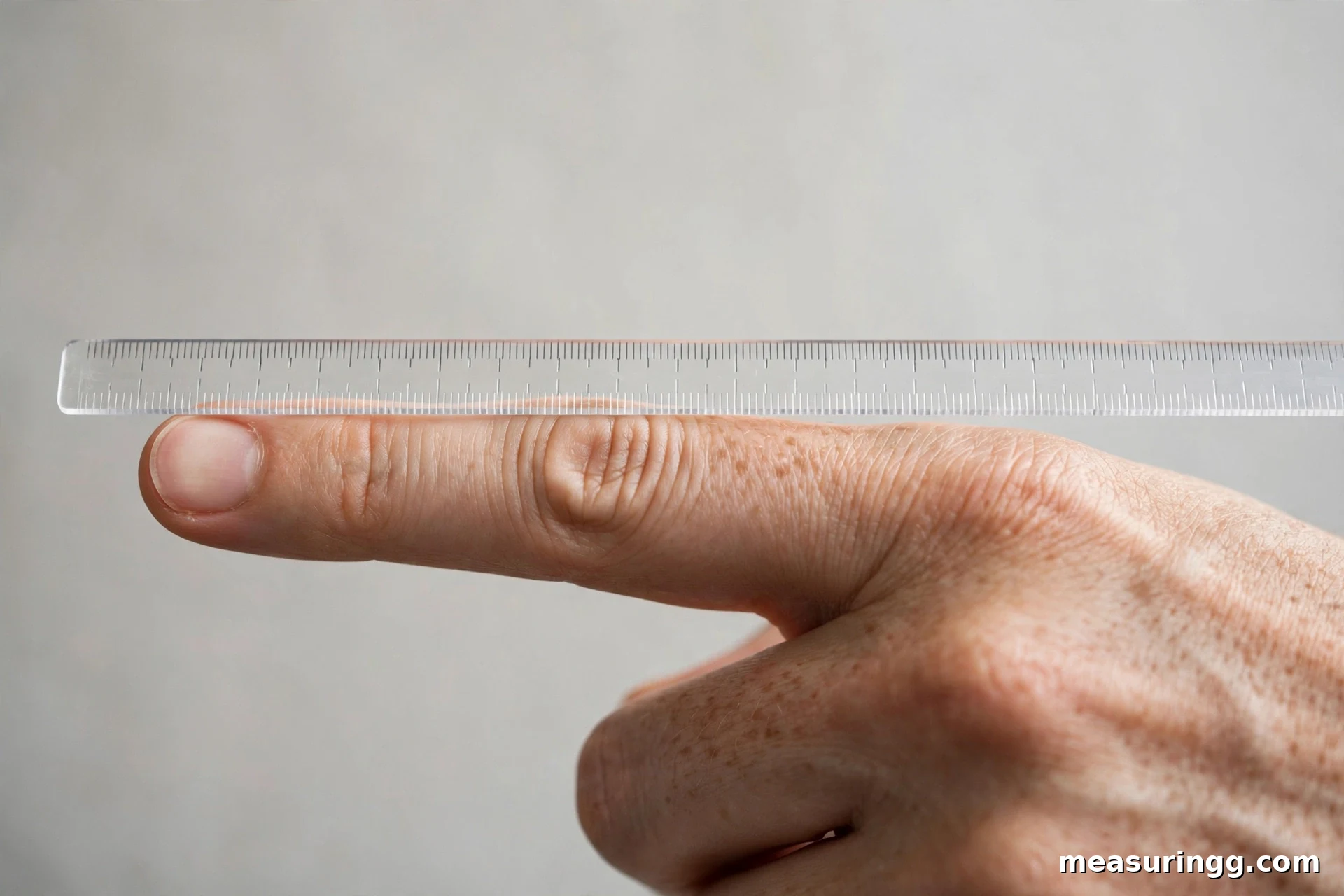
No props? Use your hand. For most adults, the distance from the fingertip to the second knuckle of the index finger lands right around 2 inches. Hand sizes vary, so measure yours once against a ruler (the 1 millimeter marks are the tiniest ones) — then you carry a permanent 2-inch reference everywhere. No pocket required.
17. A Soda Can's Diameter (Slightly Over)
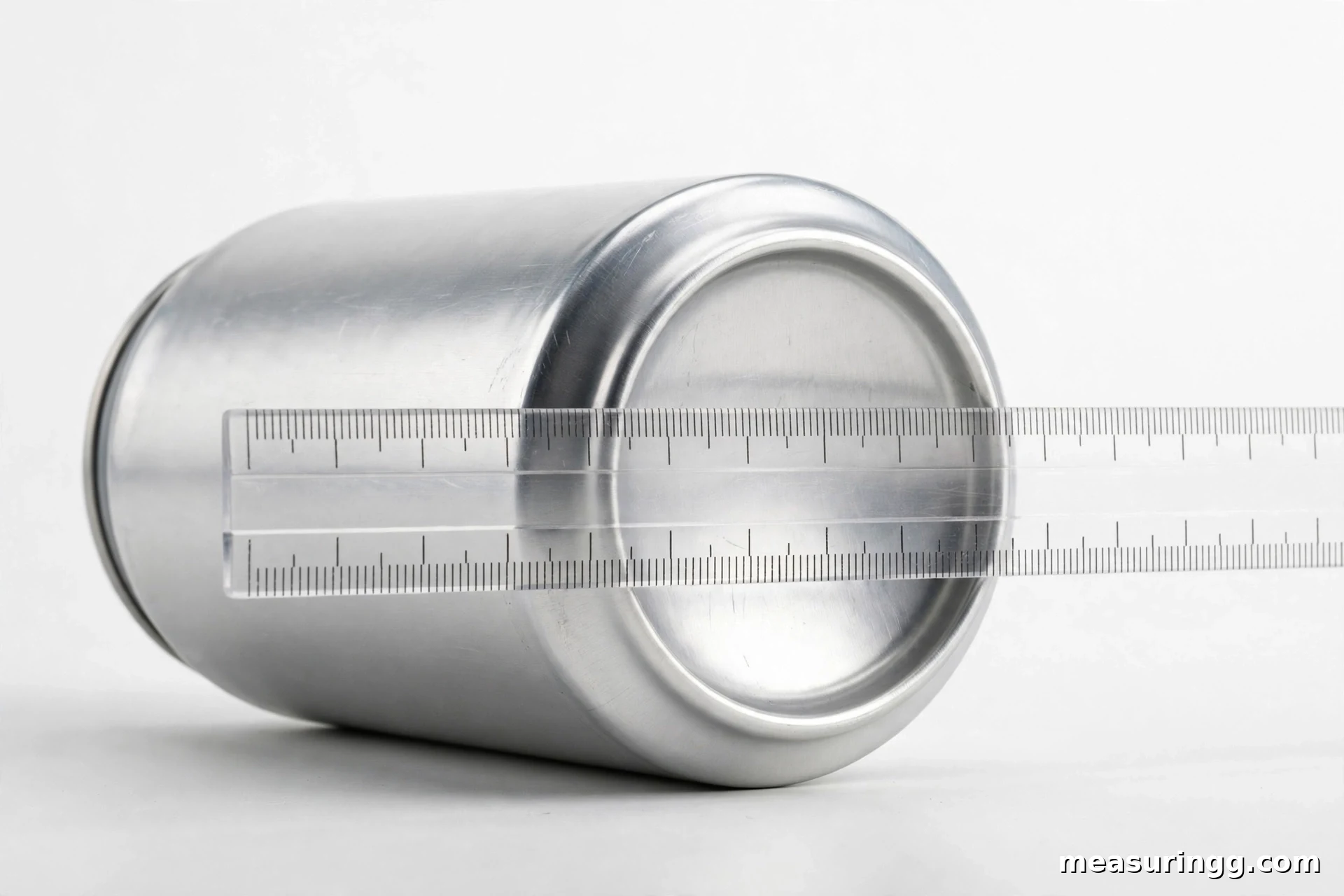
A standard 12-oz soda can has a diameter of 2.6 inches — about 0.6 inches wider than our target. It does not hit the mark exactly, but as a contrast reference it is gold: picture the can, then shave off a finger's width, and you are at 2 inches. Knowing what is *close but over* is just as useful as knowing what is exact.
18. A Standard House Key
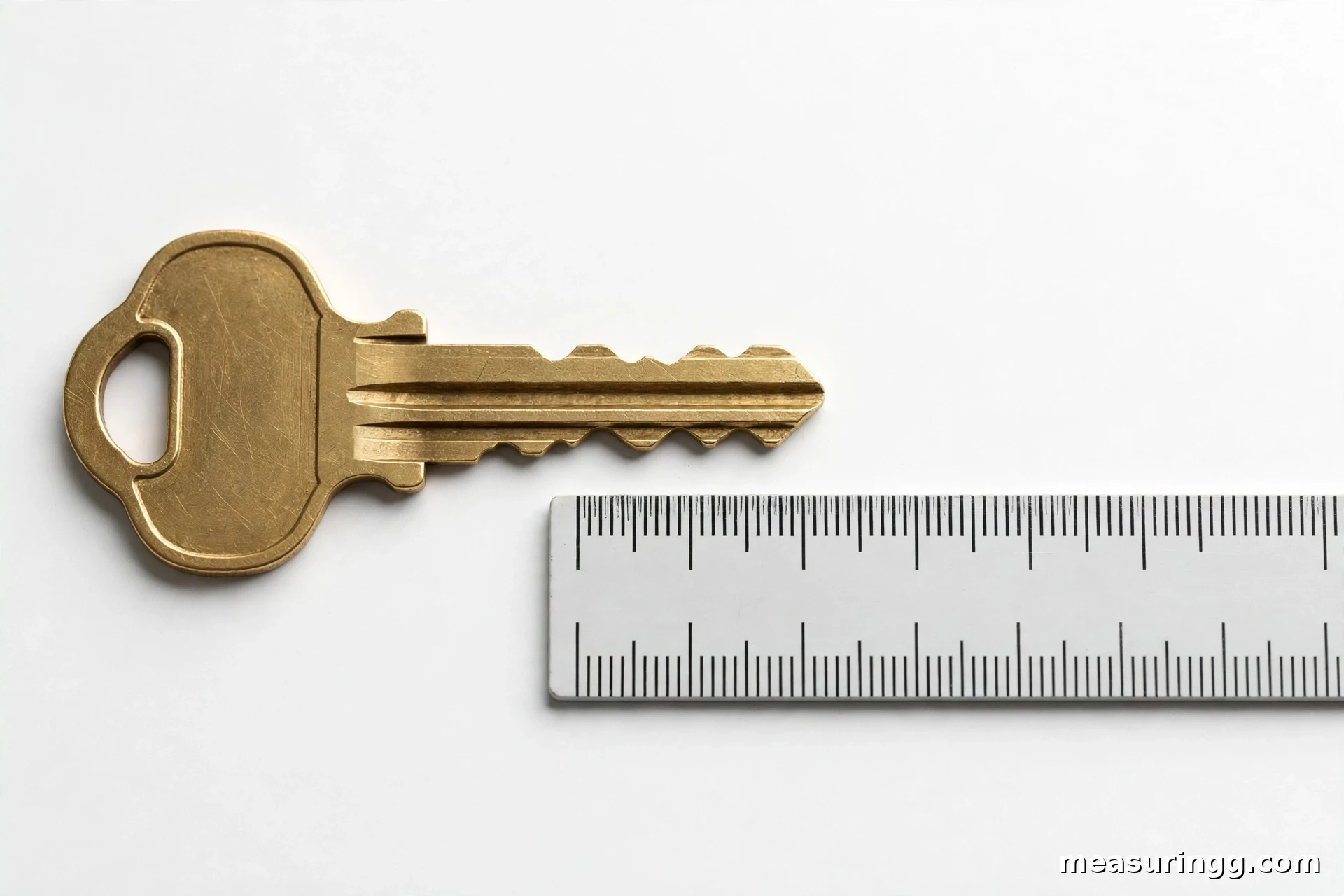
Here is one almost no other list mentions: a standard house key measures about 2 to 2.25 inches long from bow to tip. Key blanks are cut to consistent lengths, so this is more reliable than it sounds. It is literally the thing you touch every single day — now it doubles as a measuring tool.
How to Measure 2 Inches Without a Ruler
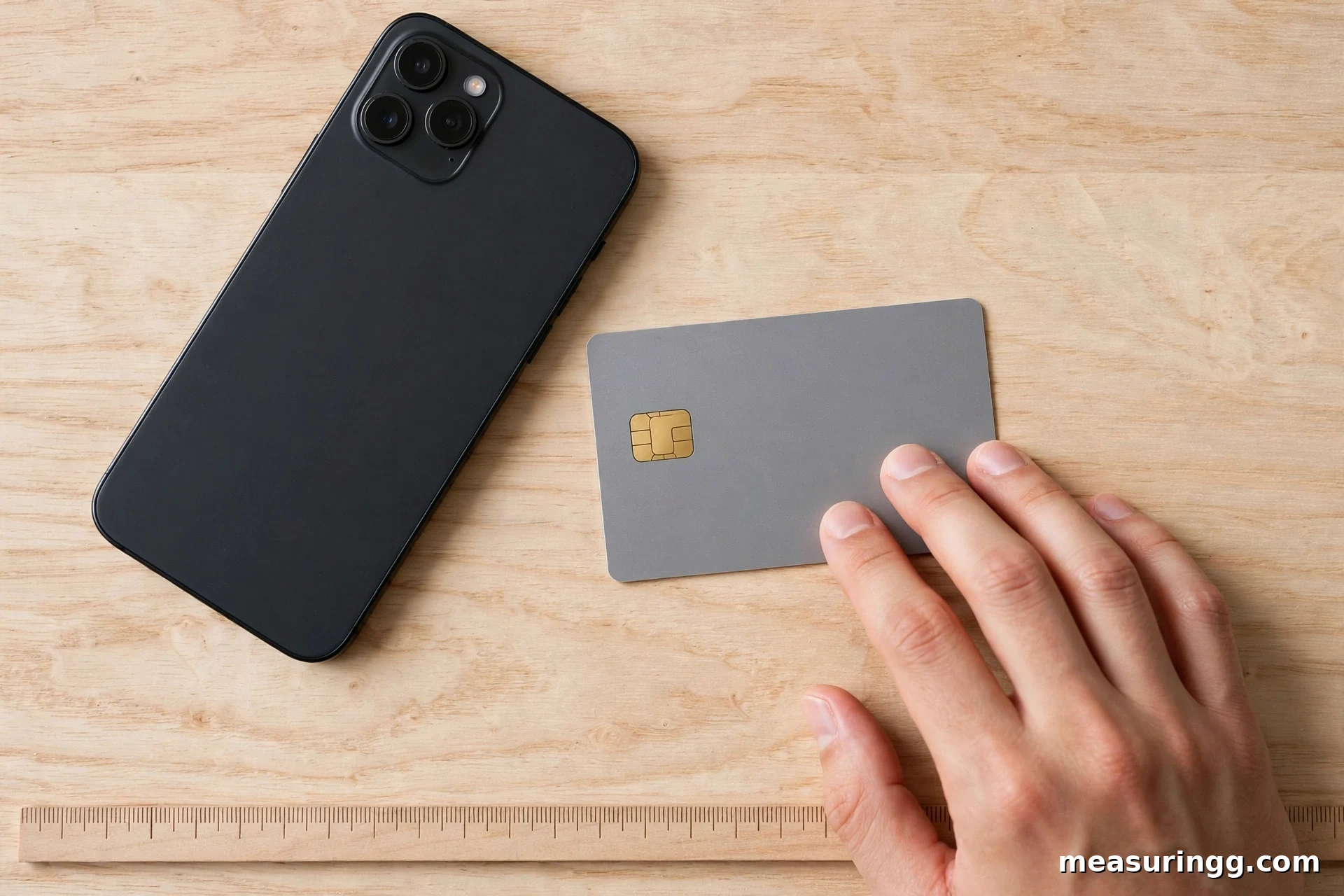
- The smartphone third. Most phone screens are 5.5 to 6.7 inches tall. Mentally divide the screen into thirds — the top third is almost exactly 2 inches.
- The knuckle span. Press your index and middle fingers together flat on a table. For most adults, the combined width across the knuckles lands right at 2 inches. Calibrate once with a ruler.
- The credit-card 60%. A standard credit card is 3.37 inches wide. Picture roughly 60% of that width — you have arrived at 2 inches.
- The AA battery. When precision matters, nothing beats it: 1.99 inches, every time, in every junk drawer on Earth.
- The metric edge. Flip a standard ruler over and use the millimeter side when you need finer graduations: 2 millimeters is 0.08 in, 7 millimeters and 8 millimeters sit near a third of an inch, 18 millimeters is 0.71 in, and 19 millimeters lands on three-quarters of an inch.
Why 2 Inches Matters in Real Life
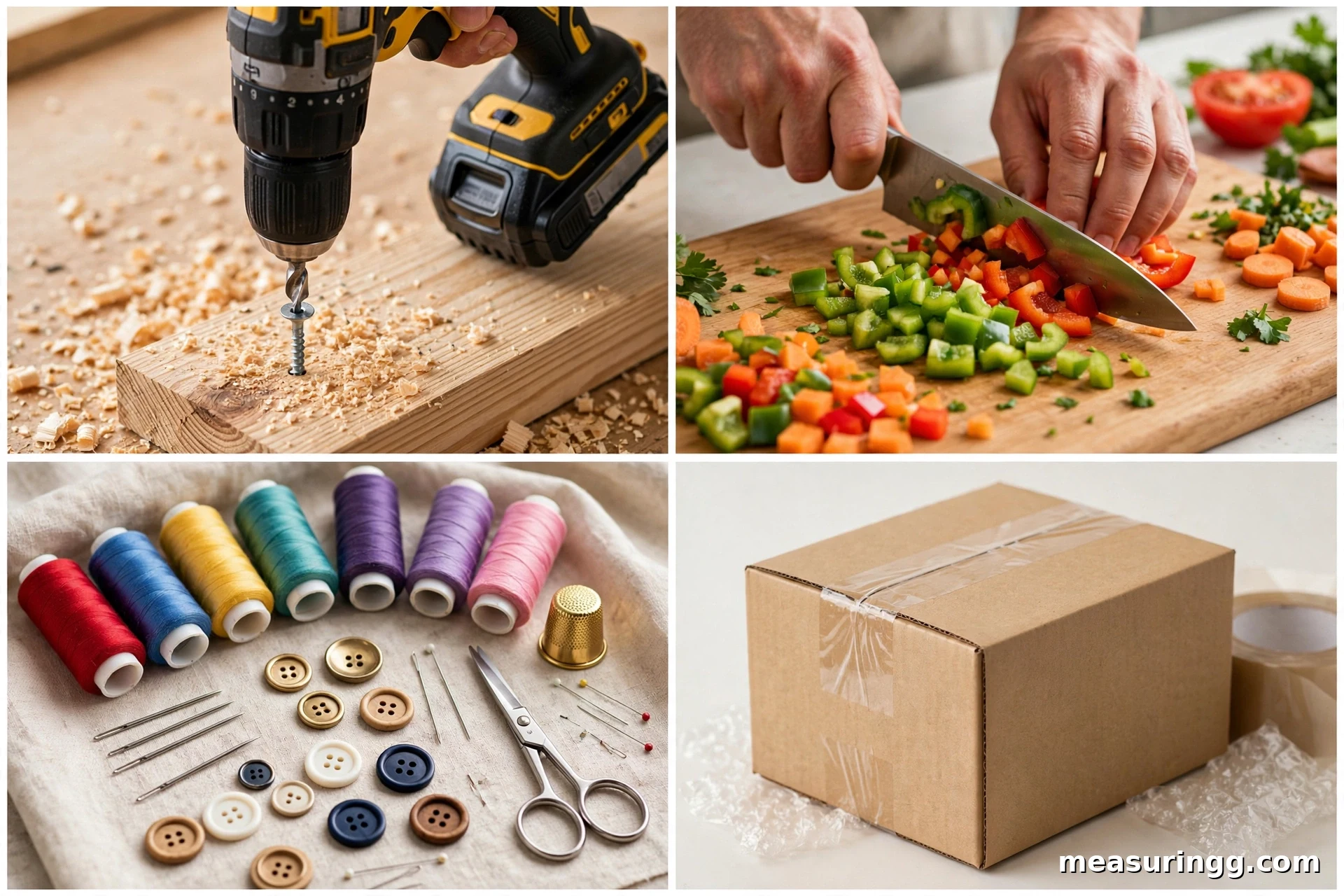
- Home improvement and DIY: Screw lengths, tile spacers, cabinet gaps — countless specs live right at 2 inches. Knowing it by feel saves trips for the tape measure.
- Cooking and food prep: Dice sizes, slice thickness, cookie cutters — cooks who judge small lengths by eye work faster and more consistently.
- Sewing and crafts: Hem allowances, seam widths, button diameters — the 2-inch mark is a constant reference in fabric work.
- Tech and gadgets: USB sticks, connector housings, component spacing — huge amounts of everyday tech sit in the 1.5 to 2.5 inch range.
- Shipping and packaging: Small-parcel minimum dimensions and padding clearances often hover right around 2 inches.
Facts About 2 Inches
- A "2×4" is not 2 by 4. Nominal 2×4 lumber actually measures 1.5 inches × 3.5 inches after milling and drying. The name is a historical leftover — the 2-inch figure vanished a century ago.
- The AA battery is the stealth standard. At 50.5 mm long (1.99 in), the AA is one of the most precisely manufactured everyday objects in the world — and nearly exactly 2 inches.
- Two quarters beat a ruler in a pinch. At 0.955 inches each, two US quarters give you 1.91 inches — within a tenth of the target, minted to tolerances no ruler can match.
- A credit card is just over. Standard cards are 3.37 × 2.125 inches, so the short edge overshoots 2 inches by only an eighth of an inch — a handy upper bound.
- Small scale, big precision. Below the inch mark, metric conversions come in handy: 10 millimeters is 0.39 in, 15 millimeters is 0.59 in, 30 millimeters is 1.18 in, and 70 millimeters stretches to 2.76 in.
2 Inches Challenge: Test Yourself

Think you have got a solid feel for this measurement now? Prove it. Look around your room and pick three objects you predict are close to 2 inches. Do not measure yet — go purely by eye and instinct. Then grab a ruler and check. How close were you?
Most readers who work through this guide land within a quarter-inch on at least two out of three guesses. That is not luck — that is your brain building a calibrated internal reference in real time.
Conclusion
Two inches shows up in daily life far more than most people expect — and now you have 18 ways to spot it instantly, no ruler needed. Pick the one reference that clicks for you (the AA battery never lies), and you will never second-guess this measurement again. And when you need the next sizes up, 3 inches is exactly 50% longer while 4 inches doubles it.
FAQs About 2 Inches
1. What is 2 inches in centimeters?
2 inches equals 5.08 centimeters (2 × 2.54).
2. Is 2 inches the same as 5 cm?
Almost — 2 inches is 5.08 cm, so 5 cm is just 0.08 cm (less than a millimeter) short. For everyday purposes they are interchangeable.
3. How many 2-inch segments are in a foot?
Six. A foot holds 12 inches, and 12 ÷ 2 = 6.
4. What everyday object is exactly 2 inches?
An AA battery comes closest: 50.5 mm long, which is 1.99 inches — within a hundredth of an inch of the mark.
5. How can I estimate 2 inches without any tools?
Use your body: the fingertip-to-second-knuckle length of your index finger is about 2 inches for most adults. Measure yours once against a ruler to calibrate it.